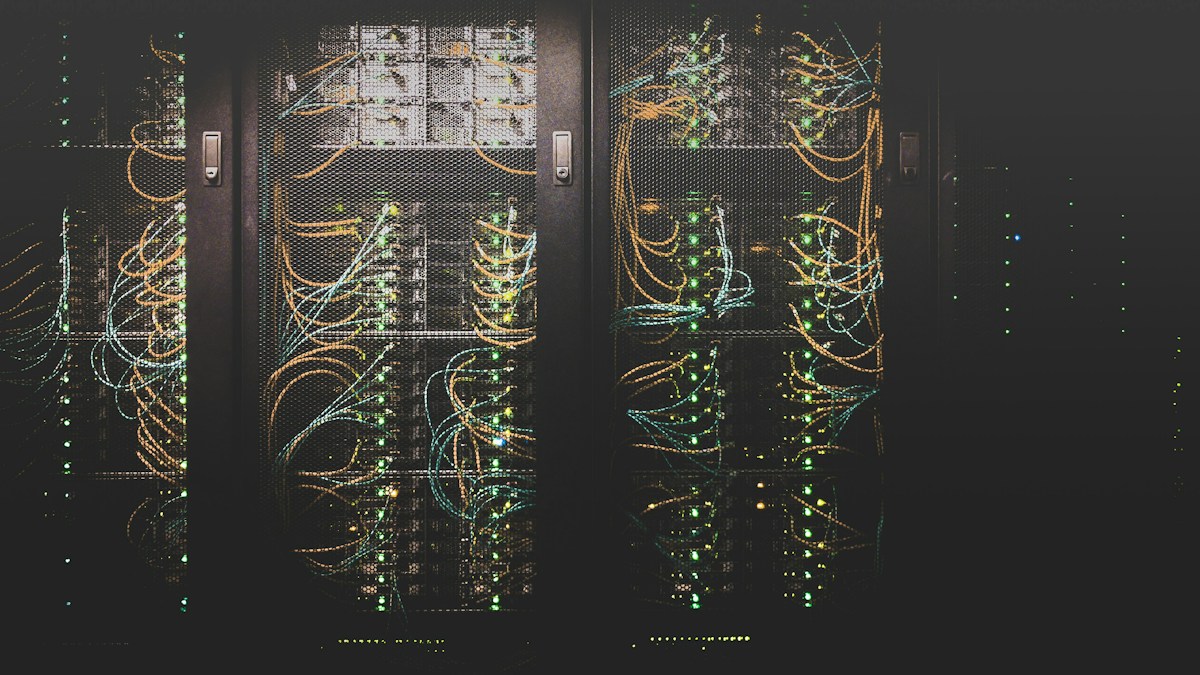
Executive Summary: The Hyperscale Cloud Landscape
The global cloud infrastructure market is overwhelmingly dominated by three American hyperscalers: Amazon Web Services (AWS), Microsoft Azure, and Google Cloud Platform (GCP). Together, these three providers control over 65% of the worldwide cloud infrastructure services revenue.
While all three providers offer foundational compute instances, managed object storage, relational databases, and container orchestration, their architectural philosophies, historical heritage, enterprise strengths, and pricing nuances diverge significantly. Choosing the optimal cloud provider—or designing an intentional multi-cloud strategy—requires technology leaders to look beyond marketing claims and evaluate technical reality.
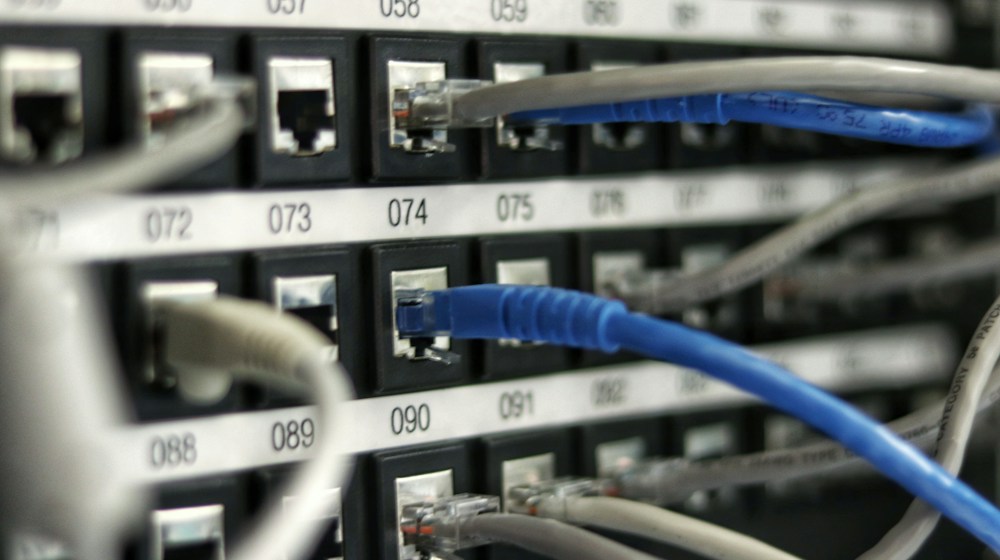 Figure 1: Global infrastructure distribution: Regions, availability zones, and private terrestrial networks.
The Big Three: Core Identities and Origins
1. Amazon Web Services (AWS): The Pioneer and Breadth Leader
Launched in 2006 with S3 and EC2, AWS invented the modern cloud market. Having operated for over a decade and a half as the clear market-share leader, AWS offers the deepest, most mature catalog of specialized services (over 200 fully featured offerings). If an esoteric infrastructure requirement exists, AWS possesses a specialized, battle-tested service for it.
- Corporate DNA: E-commerce operational excellence, developer-first tooling, relentless operational reliability, and granular primitives.
2. Microsoft Azure: The Enterprise Legacy Giant
Launched in 2010, Microsoft Azure leveraged Microsoft’s immense enterprise footprint. For organizations already running Windows Server, Active Directory, SQL Server, Microsoft 365, and enterprise licensing agreements (EA), Azure represents the path of least resistance.
- Corporate DNA: Enterprise IT relationships, hybrid cloud integrations (Azure Arc), seamless Active Directory federation, and massive strategic partnership with OpenAI.
3. Google Cloud Platform (GCP): The Data, AI, and Open-Source Innovator
Launched in 2008 with App Engine, GCP originated as the infrastructure built to power Google’s global consumer search and YouTube ecosystems. GCP has distinguished itself as the undisputed leader in big data analytics (BigQuery), open-source containerization (originating Kubernetes), and AI accelerator silicon (custom TPUs).
- Corporate DNA: Advanced computer science research, planetary-scale networking, data engineering, and machine learning infrastructure.
Architectural Head-to-Head Comparison Matrix
| Technical Category | Amazon Web Services (AWS) | Microsoft Azure | Google Cloud Platform (GCP) |
|---|---|---|---|
| Virtual Compute | Amazon EC2 (Elastic Compute Cloud) | Azure Virtual Machines | Compute Engine |
| Object Storage | Amazon S3 (Simple Storage Service) | Azure Blob Storage | Cloud Storage |
| Managed Kubernetes | Amazon EKS | Azure Kubernetes Service (AKS) | Google Kubernetes Engine (GKE) |
| Serverless Functions | AWS Lambda | Azure Functions | Cloud Run / Cloud Functions |
| Data Warehouse | Amazon Redshift | Azure Synapse Analytics | Google BigQuery |
| Relational DB | Amazon RDS & Aurora | Azure SQL Database | Cloud SQL & Cloud Spanner |
| AI / ML Platform | Amazon SageMaker | Azure AI Studio | Vertex AI |
| Global Network | Mixed Transit & Private Backbone | Microsoft Global Backbone | Google Dedicated Global SDN Fiber |
Core Operational Domains Analyzed
 Figure 2: Multi-cloud management console balancing compute workloads across diverse provider APIs.
1. Compute & Virtualization Mechanics
- AWS: Nitro System hypervisors offload storage, networking, and security functions to dedicated ASIC hardware cards, leaving 100% of the host CPU cores dedicated to customer virtual machines. Unrivaled diversity of instance types (Graviton ARM, Intel Xeon, AMD EPYC).
- Azure: Exceptional support for hybrid compute; Azure Hybrid Benefit allows enterprises to reuse on-premise Windows Server and SQL Server licenses in the cloud, yielding massive cost reductions for enterprise Microsoft shops.
- GCP: Custom machine types allow engineers to configure exact ratios of vCPUs and RAM (e.g., 6 vCPUs with 22 GB RAM) rather than being constrained to rigid predefined VM sizing tiers, minimizing wasted overprovisioned memory.
2. Managed Kubernetes (EKS vs. AKS vs. GKE)
Containers represent the modern standard for application packaging. How the providers handle Kubernetes is a major differentiator:
- Google Cloud GKE: As the inventors of Kubernetes, Google’s managed offering remains the gold standard. GKE Autopilot manages the complete underlying worker node infrastructure, automated node repairs, canary upgrades, and cluster security hardening with zero operational friction.
- Azure AKS: Deep integration with GitHub Actions, Azure DevOps, and Visual Studio Code. Exceptionally competitive pricing (free cluster control plane).
- AWS EKS: Rock-solid enterprise reliability and massive scale, but historically more complex to configure and manage, requiring deeper expertise with IAM Roles for Service Accounts (IRSA) and VPC CNI networking.
3. Data Analytics & Artificial Intelligence Ecosystems
 Figure 3: Silicon specialization: Google TPU v5p clusters alongside NVIDIA H100 GPU pods in enterprise cloud.
- Google Cloud (The Data Leader): BigQuery is arguably the finest serverless data warehouse ever engineered. Operating without requiring cluster provisioning or index tuning, it can scan petabytes of data using ANSI SQL in seconds. Furthermore, Google’s proprietary Tensor Processing Units (TPUs) offer cost-efficient, high-throughput alternatives to NVIDIA GPUs for large-scale foundation model training.
- Microsoft Azure (The Enterprise AI Vanguard): Azure’s exclusive partnership with OpenAI provides enterprise-grade access to GPT-4o models backed by enterprise compliance, private networking (Private Link), and customer data protection guarantees, making it the preferred choice for corporate generative AI copilots.
- AWS (The Practical Machine Learning Hub): Amazon SageMaker provides the most comprehensive end-to-end MLOps pipeline for training, tuning, and deploying proprietary models at scale, augmented by custom Trainium and Inferentia custom silicon.
Networking and Pricing Dynamics
Global Networking Architecture
- GCP: By default, all GCP traffic enters Google’s private global fiber network at the nearest edge Point of Presence (PoP) and travels across Google’s private backbone to the destination data center (Premium Tier Networking), resulting in lower latency and jitter.
- AWS and Azure: Both utilize massive global private backbones, with AWS offering global transit gateways and CloudFront edge caching across hundreds of PoPs worldwide.
Pricing Models and FinOps Considerations
All three providers utilize complex billing matrices based on per-second compute billing, storage tiers, API operations, and network data egress:
- Network Egress Fees: Historically a major cloud lock-in mechanism. Under regulatory pressure (such as the EU Data Act), all three hyperscalers have eliminated egress fees for customers migrating entirely off their platforms.
- Discount Structures:
- AWS: Savings Plans and Reserved Instances (1-year or 3-year commitments).
- Azure: Reserved VM Instances and Azure Hybrid Benefit discounts.
- GCP: Committed Use Discounts (CUDs) and automated Sustained Use Discounts (which automatically apply discounts to steady-state workloads without requiring upfront contracts).
Strategic Selection Framework: Which Cloud Fits Your Mission?
Organizations should align their platform choice to their institutional profile:
+--------------------------------------------------------------------------+
|                  ENTERPRISE CLOUD DECISION MATRIX                        |
+--------------------------------------------------------------------------+
| CHOOSE AWS IF:                                                           |
| - You require maximum service breadth, maturity, and ecosystem tooling. |
| - You have a seasoned DevOps team prioritizing microservice architecture.|
| - You demand absolute operational reliability and multi-region resilience|
+--------------------------------------------------------------------------+
| CHOOSE AZURE IF:                                                         |
| - You are an enterprise deeply invested in Microsoft 365, AD, and C#/.NET|
| - You have active Enterprise Agreements (EA) offering license discounts. |
| - You prioritize hybrid cloud deployments and turnkey OpenAI integration.|
+--------------------------------------------------------------------------+
| CHOOSE GOOGLE CLOUD IF:                                                  |
| - Your primary initiatives revolve around Big Data analytics and ML/AI.  |
| - You build natively on Kubernetes and modern container microservices.  |
| - You require high-throughput global networking and competitive pricing. |
+--------------------------------------------------------------------------+
Conclusion: The Multi-Cloud Reality
The debate between AWS, Azure, and Google Cloud is rarely a zero-sum calculation. While startups and mid-market companies benefit enormously from standardizing on a single cloud to maximize engineering velocity, large multinational enterprises increasingly adopt intentional Multi-Cloud Strategies. By utilizing AWS for mission-critical core microservices, Azure for enterprise identity and productivity, and Google Cloud for big data intelligence and machine learning pipelines, modern technology organizations extract maximum value from each hyperscaler’s unique engineering genius.
Multi-Cloud Governance, FinOps, and Portability Frameworks
As enterprises mature their cloud footprint, deploying across multiple hyperscalers (e.g., AWS combined with GCP or Azure) has transitioned from an experimental idea into standard enterprise architecture. Multi-cloud strategies eliminate single-vendor lock-in, enable regional regulatory compliance, and allow teams to select best-in-breed services—such as pairing Google Cloud’s BigQuery analytics with AWS’s microservices ecosystem.
Implementing FinOps to Control Multi-Cloud Runaway Spend
Cloud costs can quickly spiral out of control without structured financial operations (FinOps). Modern FinOps practices establish unified cost visibility across heterogeneous cloud environments through automated resource tagging and centralized analytics:
- Mandatory Tagging Policies: Enforce Infrastructure as Code (Terraform/OpenTofu) linting rules requiring every resource to declare
CostCenter,Owner,Environment, andServicemetadata prior to provisioning. - Commitment Discounts and Savings Plans: Blend AWS Compute Savings Plans, Azure Reserved Instances, and GCP Committed Use Discounts (CUDs) to achieve 40%–60% baseline infrastructure cost reductions.
- Automated Idle Asset Deprecation: Implement automated serverless janitor scripts that detect and terminate orphaned Elastic IP addresses, unattached EBS/Managed Disk volumes, and idle staging compute nodes outside business hours.
+--------------------------------------------------------------+
|            Unified Multi-Cloud FinOps Framework               |
+--------------------------------------------------------------+
| [AWS Cost Explorer]    [Azure Cost Mgmt]    [GCP Cloud Billing]
|         |                      |                      |
|         +----------------------+----------------------+
|                                v
|                  Centralized FinOps Aggregator
|             (Normalized Telemetry & Unit Economics)
|                                |
|        +-----------------------+-----------------------+
|        v                                               v
| [Automated Budget Alerts]                  [Anomaly Detection Engine]
+--------------------------------------------------------------+
Containerization and Abstraction: The Role of Kubernetes
The primary enabler of true multi-cloud portability is container orchestration via Kubernetes. By packaging applications into OCI-compliant container images and managing deployments declaratively, engineering teams decouple business logic from proprietary cloud platform APIs. Managed Kubernetes offerings—such as AWS EKS, Azure AKS, and Google GKE—allow identical application manifests and Helm charts to run seamlessly across any environment, empowering organizations to migrate workloads dynamically based on pricing fluctuations or regional availability requirements.


Cloud Computing Explained: A Complete Beginner's Guide
A comprehensive guide to cloud computing, breaking down IaaS, PaaS, SaaS, public vs private clouds, hypervisor virtualization, and cloud economic models.

What Is Serverless Computing and How Does It Work?
A deep dive into serverless architecture, event-driven execution models, Function-as-a-Service (FaaS), cold start optimization, and the economics of paying zero for idle infrastructure.

Cloud Storage vs Local Storage: Which Is Better?
An architectural and economic comparison of cloud object storage versus local on-premise NVMe/SAN storage, evaluating latency, throughput, durability, security, and TCO.